Rav Yeshaya of Kerestir
A house that never closed, a Saturday-night table that lasted until morning, and a diminutive he never gave up.
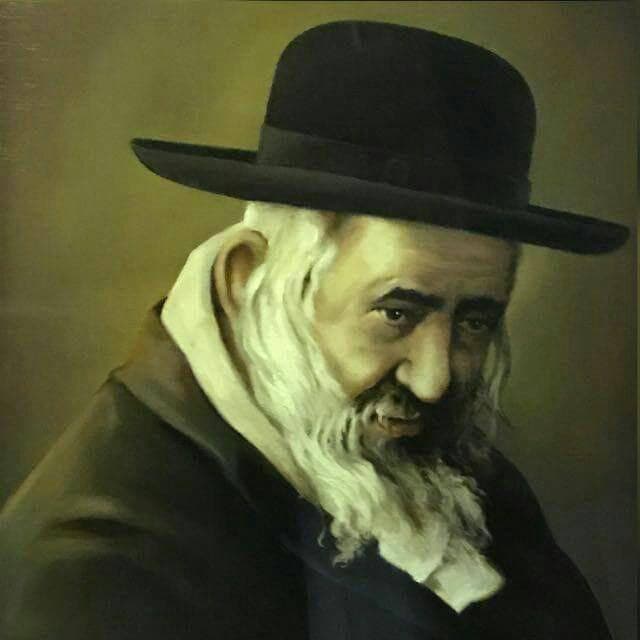
Born in 1851 in Zboró, then in Hungary and today Zborov in Slovakia, he lost his father at three. At twelve his mother sent him to study with Rav Tzvi Hirsh of Liska, whose gabbai he became. After his teacher's death he attached himself to Rav Chaim of Sanz, then to Rav Mordechai of Nadvorna, who advised him to settle in Bodrogkeresztúr — Kerestir — and to take up the role of rebbe himself.
His house on Kossuth street never closed. People came for a blessing, often just for a roof and a warm meal. He died on 3 Iyar 5685, 27 April 1925, and rests in Kerestir. A century later, his grave is one of the most visited Jewish pilgrimage sites in Europe.
Eight stories
Some are documented, others belong to oral tradition. We say which is which.
Sources
Wikipedia (Yeshayah Steiner, Bodrogkeresztúr), JTA, The Jerusalem Post, The Jewish Chronicle, The Times of Israel, Mishpacha, JewishGen (Bodrogkeresztúr community), The Yeshiva World.
The kever
Bodrogkeresztúr, Hungary
Rav Yeshaya of Kerestir is buried in the Jewish cemetery of Bodrogkeresztúr, near Miskolc. The village was once called Kerestir.
 Open in Waze
 Open in Google Maps
 Open in Maps
Approximate coordinates, to be confirmed.
Getting to Kerestir
The village of Bodrogkeresztúr welcomes visitors all year round who come to pray at the kever. On site, the Reb Shayele Guest House, run by Reb Moshe Yosef Friedlander, offers meals, lodging and a mikveh.
Around the hiloula, shuttles run continuously to the tziyon and seudot are served without interruption. It is also possible to have a kvitel placed at the kever without travelling there.
These services are provided by the Reb Shayele Guest House, not by Rebbe Shayele. All the information is on rebshayele.org.
rebshayele.orgThird-party site